Why Precision Calibration Matters in Industrial Operations
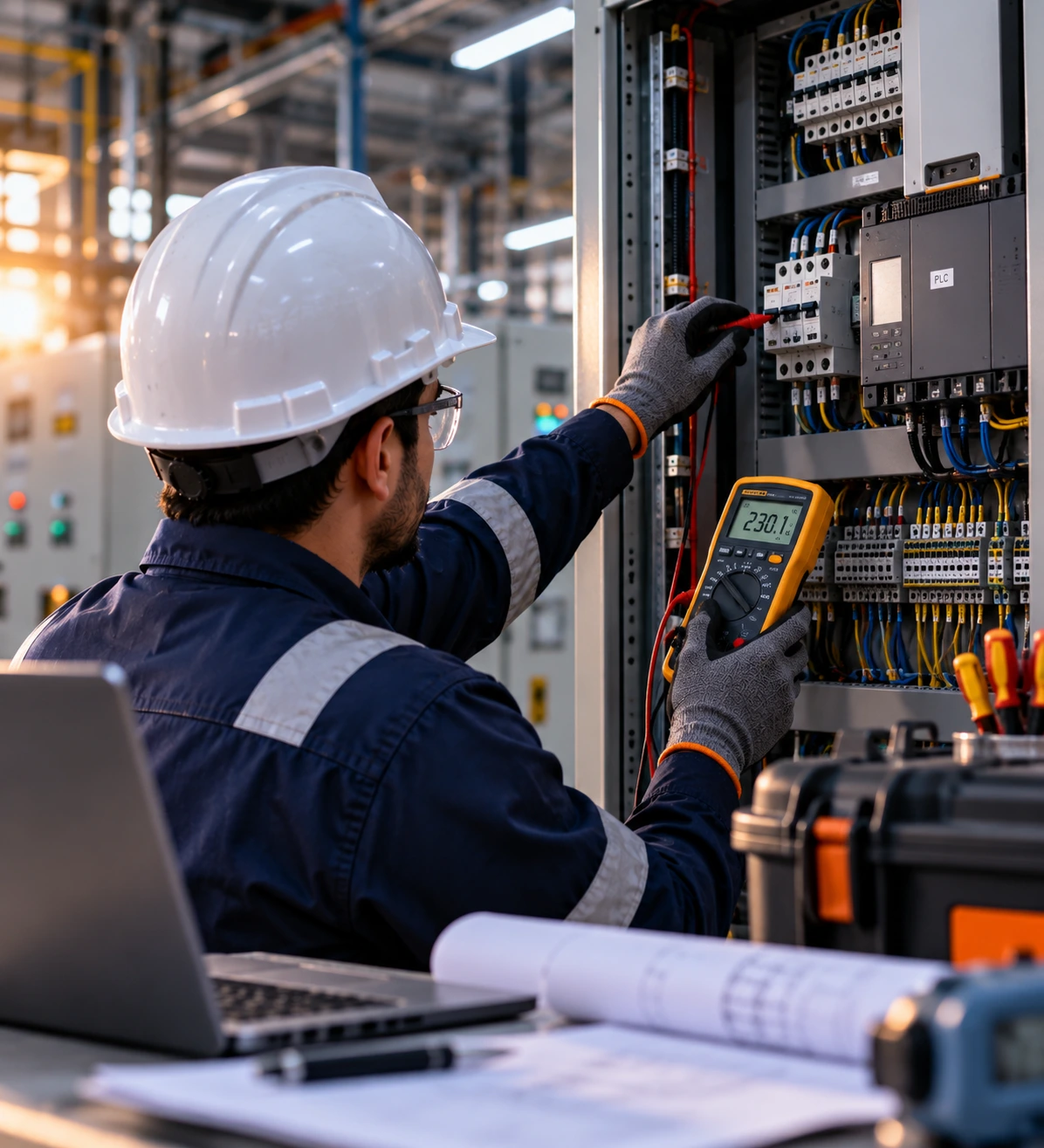
Accurate measurement is the foundation of safe, reliable, and efficient industrial operations. Regular calibration helps ensure that measuring and monitoring equipment continues to provide dependable results when accuracy matters most.
Continue ReadingIntroduction
In modern industrial environments, accurate measurement plays a critical role in maintaining safe and efficient operations. From pressure and temperature to flow, electrical parameters, and other process variables, measurement instruments are continuously used to monitor and control industrial processes.
When an instrument provides inaccurate readings, even a small measurement error can affect process decisions, product quality, equipment performance, and overall operational reliability.
This is where professional calibration becomes essential.
Calibration provides a systematic way of evaluating the performance of measuring equipment against an established reference. It helps identify measurement deviations and provides organizations with greater confidence in the accuracy and reliability of their instruments.
What Is Calibration?
Calibration is the process of comparing the performance of a measuring instrument with a known and traceable reference standard.
The purpose is to determine whether the instrument is operating within its required accuracy limits and to identify any deviation that may affect measurement results.
Depending on the type of equipment and its application, calibration may involve instruments such as:
- Pressure instruments
- Temperature instruments
- Flow measurement devices
- Electrical measuring equipment
- Process monitoring instruments
- Industrial gauges
- Transmitters
- Sensors and other measurement equipment
The calibration process should be carried out using appropriate procedures, suitable reference standards, and qualified technical personnel.
Why Is Calibration Important?
Industrial processes depend heavily on measurement.
A pressure transmitter monitoring a process line, a temperature sensor controlling a process, or an electrical instrument used for testing must provide reliable readings for operators and engineers to make informed decisions.
Regular calibration helps organizations maintain confidence in those measurements.
Measurement Accuracy
Accurate instruments provide reliable measurement results. Calibration helps identify deviations between an instrument’s reading and the reference standard, allowing appropriate action to be taken when necessary.
Process Reliability
Industrial processes often depend on accurate measurement and monitoring. Reliable instruments help operators maintain better control over process conditions and support consistent operation.
Equipment Performance
Measurement errors can sometimes indicate problems with an instrument or its performance. Regular calibration provides an opportunity to evaluate equipment and identify potential measurement issues.
Quality Control
Many industrial processes require consistent and controlled measurements. Reliable measurement equipment supports quality-control activities and helps maintain consistency across operations.
Safety
In industrial environments, measurement can also play an important role in operational safety. Accurate monitoring of critical parameters helps engineering teams make informed decisions and respond appropriately to changing process conditions.
The Role of Calibration in Industrial Instrumentation
Industrial instrumentation allows organizations to monitor, measure, and control important process variables.
Pressure transmitters, temperature sensors, flow instruments, gauges, and other devices may operate continuously in demanding environments.
Over time, instrument performance can be affected by factors such as:
- Continuous operation
- Environmental conditions
- Mechanical stress
- Temperature variations
- Electrical influences
- Normal equipment aging
- Maintenance activities
Because of these factors, an instrument that was accurate when initially installed may not necessarily maintain the same performance indefinitely.
A structured calibration program helps organizations evaluate instrument performance periodically and maintain greater confidence in their measurement systems.
What Happens During Calibration?
The exact calibration procedure depends on the type of instrument, its application, required accuracy, and applicable procedures.
However, a professional calibration activity generally involves several important stages.
Equipment Identification
The instrument is identified and its relevant specifications, range, condition, and application are reviewed.
Reference Standard Selection
An appropriate reference standard is selected according to the measurement parameter and required accuracy.
Measurement Comparison
The instrument under test is compared against the reference standard across the required measurement range or test points.
Evaluation of Results
The observed readings are evaluated to determine whether the instrument is performing within the required limits.
Documentation
Calibration results are documented clearly so that the organization has a record of the equipment’s performance and calibration status.
How Accurate Calibration Supports Industrial Operations
A well-maintained calibration program can contribute to several areas of industrial operation.
Better Measurement Confidence
Engineering and operations teams can make decisions with greater confidence when measurement equipment is properly evaluated.
Consistent Process Monitoring
Reliable instruments support consistent monitoring of important process parameters.
Improved Maintenance Planning
Calibration results can provide useful information about instrument performance and help organizations identify equipment requiring attention.
Better Documentation
Proper calibration records provide traceability and help organizations maintain organized technical documentation.
Support for Quality Systems
Calibration and measurement control are important components of many industrial quality-management practices.
Calibration and Measurement Reliability
The reliability of an industrial measurement system depends not only on the instrument itself, but also on the quality of the calibration process, reference standards, procedures, and documentation.
For this reason, calibration should be approached as part of an organization’s overall equipment-management and quality strategy rather than as an isolated activity.
A systematic approach can help organizations maintain better control over their measuring equipment and identify potential deviations before they become larger operational concerns.
Why Professional Calibration Services Matter
Professional calibration requires appropriate technical knowledge, suitable reference equipment, controlled procedures, and accurate documentation.
An experienced engineering service provider can help organizations manage calibration activities according to the requirements of their equipment and operational environment.
Professional support can be particularly valuable when an organization manages a wide range of instruments or operates equipment across multiple industrial applications.
The objective is not simply to complete a calibration activity, but to provide dependable measurement information that engineers, operators, and quality teams can use with confidence.
Building a Reliable Calibration Program
An effective calibration program should be organized around the organization’s equipment, processes, and measurement requirements.
Important considerations may include:
- Identifying critical measuring instruments
- Maintaining equipment records
- Establishing appropriate calibration intervals
- Using suitable reference standards
- Maintaining calibration documentation
- Reviewing calibration results
- Addressing instruments that do not meet required limits
- Keeping measurement equipment properly identified and controlled
A structured approach helps organizations maintain visibility over their measurement equipment and supports long-term operational reliability.
Conclusion
Accurate measurement is an essential part of modern industrial operations.
From process monitoring and instrumentation to quality control and safety, reliable measurement equipment supports better engineering decisions and more consistent industrial performance.
Professional calibration provides a systematic method for evaluating measurement equipment and identifying deviations that could affect operational results.
For organizations that depend on accurate measurement, maintaining a reliable calibration program is an important part of achieving consistent, dependable, and quality-focused operations.
At MAK Engineering, our focus is on providing professional engineering services with accuracy, technical expertise, reliable documentation, and a strong commitment to quality.
Need Reliable Support for Your Operations?
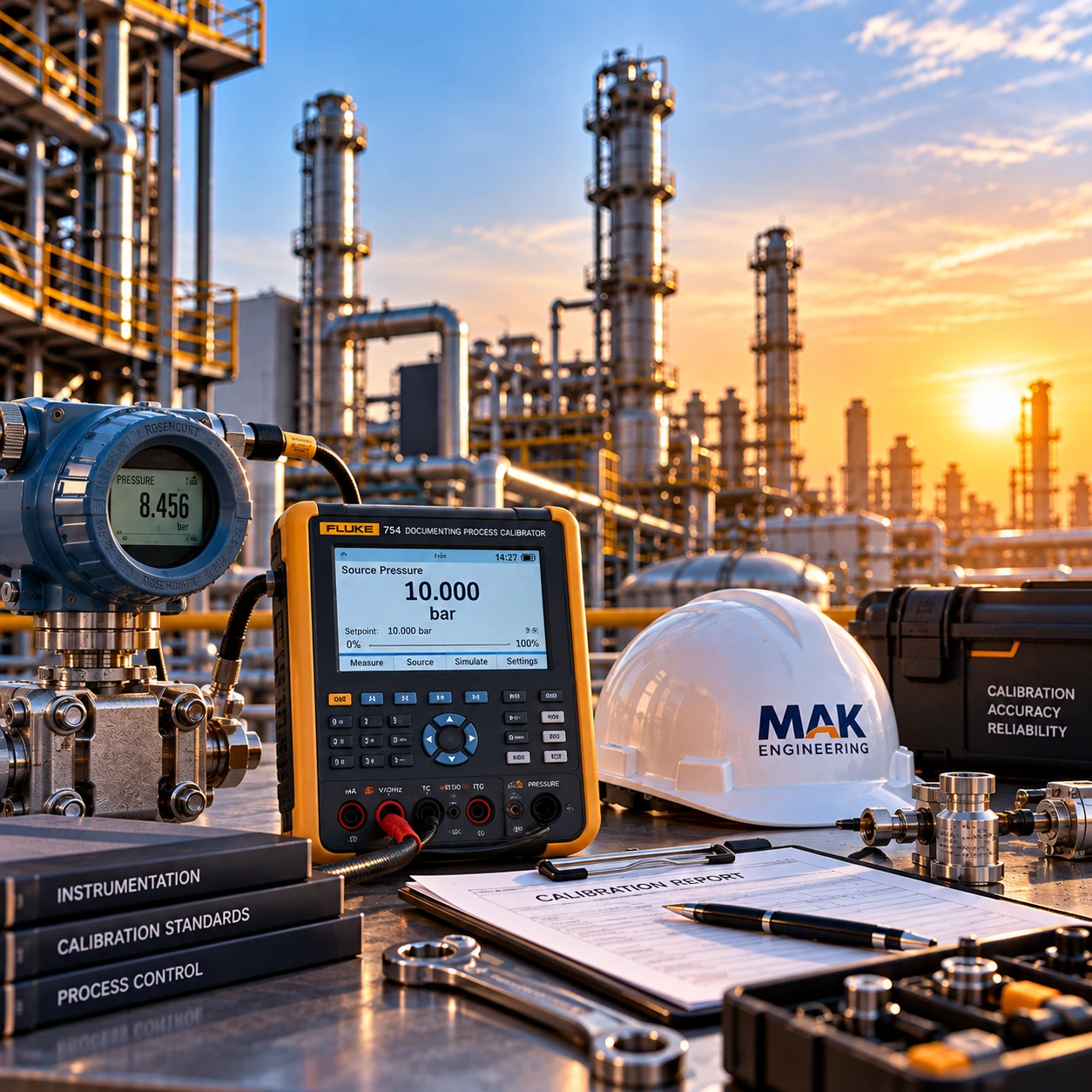
Partner with MAK Engineering for professional calibration services focused on accuracy, reliability and dependable technical support. Our experienced team helps ensure your measuring and monitoring equipment performs with the confidence your operations demand.